Designing Hospitality Spaces that Tell a Story
Designing hospitality spaces that tell a story is about more than aesthetics. In fact, it is about creating experiences that resonate with people. As a result, every restaurant, café, or hotel has a unique identity. Therefore, when design reflects that story, it leaves a lasting impression. Because of this, through storytelling in hospitality design, interiors become powerful tools that connect guests to brands, emotions, and memories.
Narrative in Hospitality Design with Brand Identity
Designing hospitality spaces goes beyond creating beautiful interiors. Moreover, narrative in hospitality design is rooted in brand identity. As a consequence, it connects people with places. For example, a great restaurant, café, or boutique does not just attract visitors. Instead, it creates loyal communities. At the same time, at OD Studio Architects, we believe this form of design storytelling should focus on carefully crafted interiors that bring each brand’s narrative to life.
Narrative in Hospitality Design through Brand Experience
Each project begins with the identity of the brand. To begin with, narrative in hospitality design helps define whether a café feels intimate and warm. On the other hand, a restaurant may feel bold and modern. In particular, some brands focus on fine dining, while others specialize in fast casual. As a result, the answers shape everything — from layout and materials to lighting and acoustics.
For inspiration, check out Hospitality Design Magazine, which shows how branding connects with hospitality.
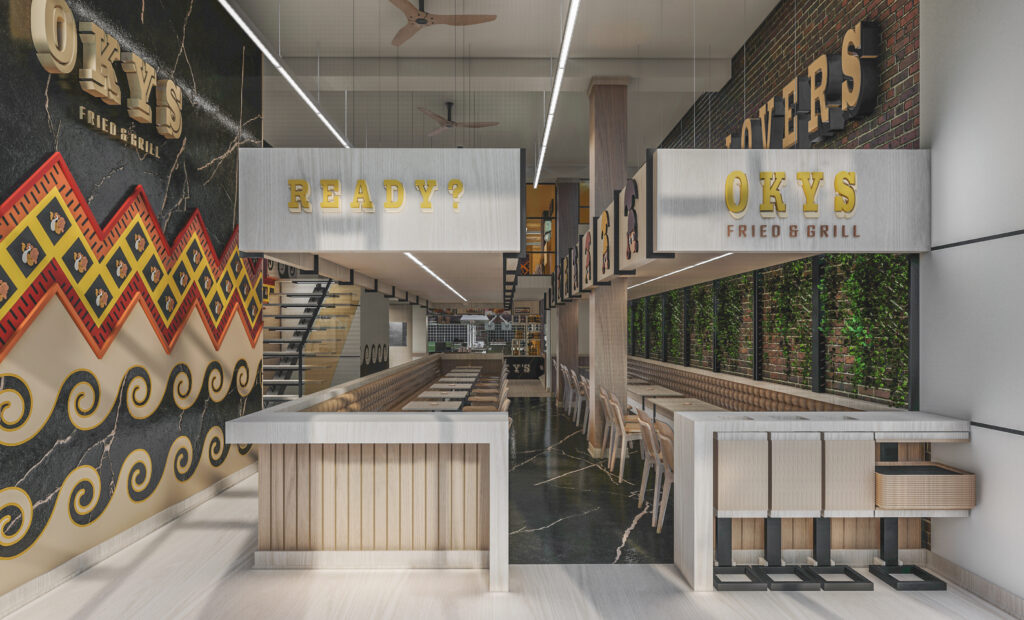
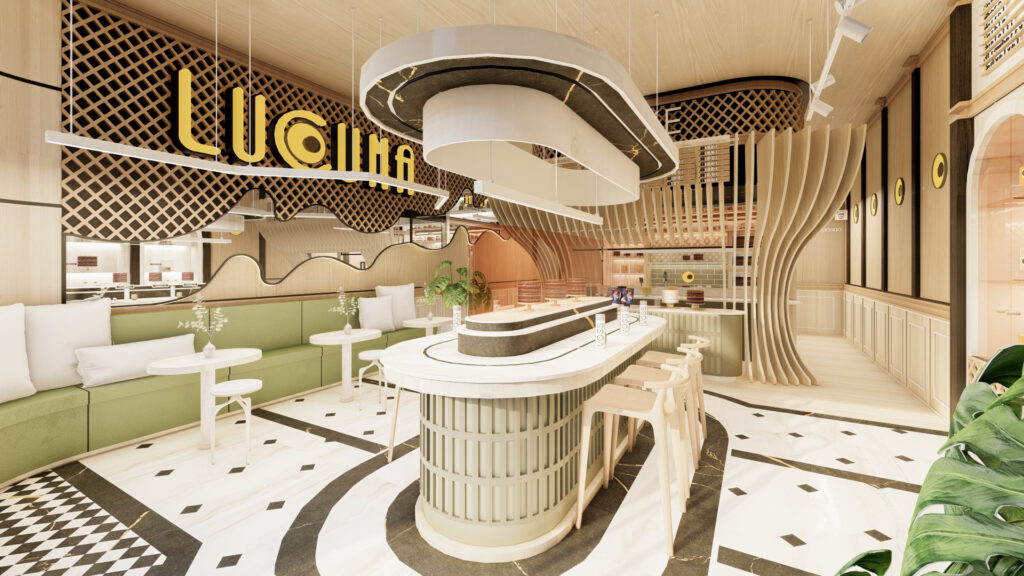
Design Storytelling with Light and Materials
Lighting is central to our hospitality work. For instance, soft, intimate lights create mood for dining. At the same time,bright, dynamic illumination supports cafés and social spaces. Moreover, acoustic treatments ensure comfort. Therefore,guests feel at ease and conversations flow naturally.
In addition, materials such as marble, wood, and metal are chosen not only for durability but also for atmosphere. Consequently, in story-driven hospitality interiors, these details create spaces that feel both unique and memorable.
Finally, if you want more inspiration, visit Dezeen’s hospitality design section.
Balancing Beauty with Functionality – Narrative in Hospitality Design
Hospitality design must also balance beauty with business. As a result, every square meter is optimized for functionality. For instance, this includes circulation for guests and staff. Moreover, it covers flexible seating arrangements and back-of-house efficiency. By uniting operational logic with narrative in hospitality design, brands are able to build spaces that inspire guests to return again and again. Therefore, design becomes a long-term business asset, not just decoration.
For example, Interior Design’s hospitality projects illustrate these principles clearly.
Balancing Beauty with Functionality – Story-Driven Hospitality Interiors
Hospitality design must also balance beauty with business. Because of this, every square meter is optimized for functionality. In this case, this includes guest comfort, staff circulation, and efficiency. When applied with care, design storytelling in hospitality spaces transforms practical layouts into immersive brand experiences.
Final Thoughts on Hospitality Design
Our hospitality projects demonstrate how thoughtful design can transform visits into experiences. From this perspective,boutique cafés and high-end restaurants alike can become destinations that connect people. Ultimately, we consistently craft interiors that blend comfort, creativity, and lasting brand value.
Through storytelling in hospitality design, spaces evolve into experiences. Consequently, they create memorable moments for guests and long-term value for brands.